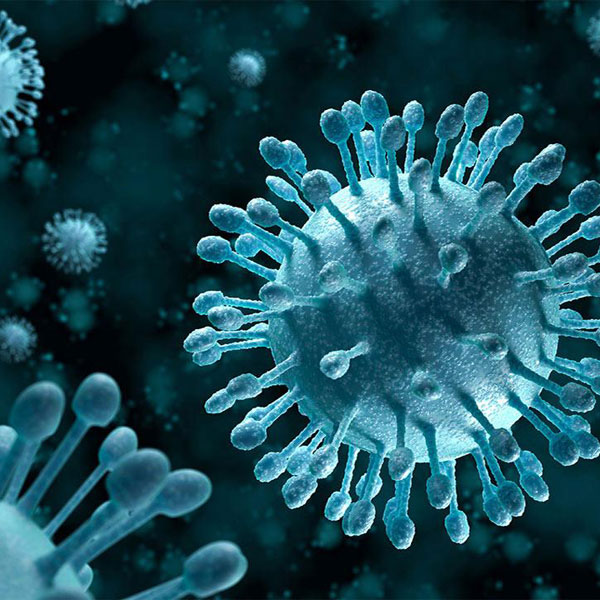
Virology is the branch of science that studies viruses and virus-like agents—including their structure, classification, genetics, methods of infection, replication, and the diseases they cause.
Key Concepts:
Viruses: Microscopic infectious agents that can replicate only inside living cells of organisms. They are not considered fully "alive" because they lack cellular structure and metabolism.
Hosts: Viruses infect all forms of life—humans, animals, plants, fungi, and even bacteria (these are called bacteriophages).
Viral Structure: Most viruses consist of:
A genetic core (DNA or RNA)
A protein coat (capsid)
Some have an outer lipid envelope derived from the host cell
What Virologists Do:
Study how viruses infect cells
Understand how viruses spread and evolve
Develop vaccines and antiviral drugs
Monitor and control viral outbreaks (e.g., COVID-19, influenza, HIV, etc.)
Common Viral Diseases:
Influenza (flu)
HIV/AIDS
COVID-19 (SARS-CoV-2)
Hepatitis
Herpes
Measles, Mumps, Rubella