
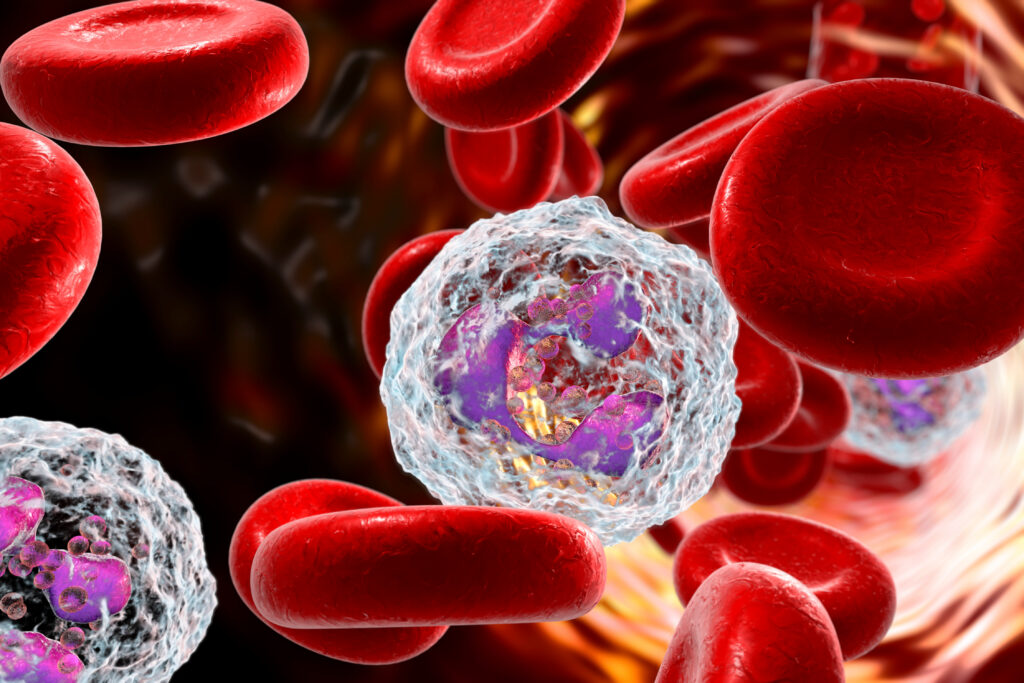
Pathology is the branch of medicine that studies the causes, nature, and effects of disease. It involves examining tissues, cells, and bodily fluids to diagnose and understand diseases, monitor disease progression, and guide treatment.
There are several key areas within pathology:
1. Histopathology – the study of tissues under a microscope to diagnose diseases like cancer.
2. Cytopathology – the examination of individual cells (e.g., Pap smears, FNAs).
3. Haematology – the study of blood and blood-forming tissues.
4. Chemical Pathology (Clinical Biochemistry) – analysis of body fluids to assess organ function and detect imbalances.
5. Microbiology – the study of infectious agents like bacteria, viruses, fungi, and parasites.
6. Immunology – the study of the immune system and related disorders.
7. Forensic Pathology – investigation of causes of death, often in legal contexts.
Pathologists often work behind the scenes but are essential in confirming diagnoses, guiding treatment decisions, and ensuring quality healthcare.