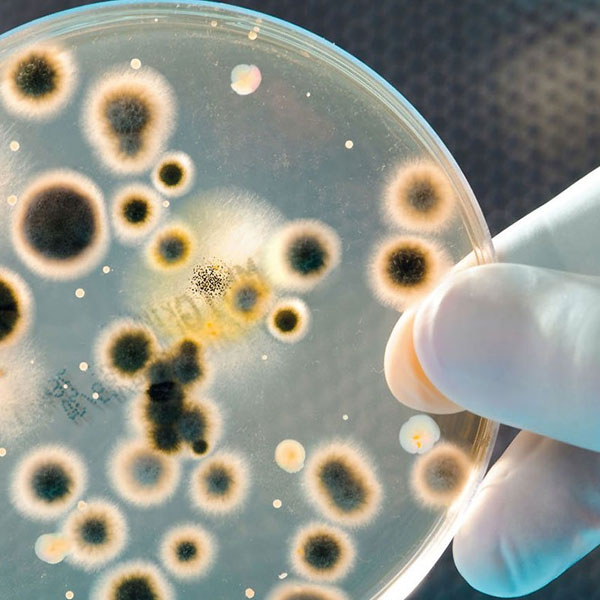
Microbiology is the branch of science that studies microorganisms—tiny living things that are usually too small to see with the naked eye. These include:
Bacteria
Viruses
Fungi
Parasites
Protozoa
Algae (in some cases)
What Does Microbiology Involve?
Understanding Microbes
– How they grow, reproduce, and interact with their environment and hosts.
Infectious Diseases
– Identifying which microbes cause infections (like TB, flu, COVID-19, or fungal skin infections).
Antibiotics and Resistance
– Studying how microbes respond to treatment and how resistance develops (e.g., antibiotic-resistant bacteria like MRSA).
Immunology
– How the body defends itself against microbes (immune response).
Laboratory Testing
– Isolating and identifying microorganisms from samples like blood, urine, sputum, swabs, or stool.
Types of Microbiology:
Medical Microbiology – Focuses on disease-causing microbes and how to diagnose and treat infections.
Environmental Microbiology – Studies microbes in natural environments (soil, water, etc.).
Food Microbiology – Ensures food safety and studies food spoilage or fermentation.
Industrial Microbiology – Uses microbes to produce products like antibiotics, enzymes, or vaccines.
Why Is Microbiology Important?
It helps diagnose and treat infections.
It plays a key role in public health, infection control, and vaccine development.
It's vital for understanding outbreaks and preventing the spread of diseases.
In short, microbiology helps us understand and manage the microscopic world that affects our health, environment, and daily lives.