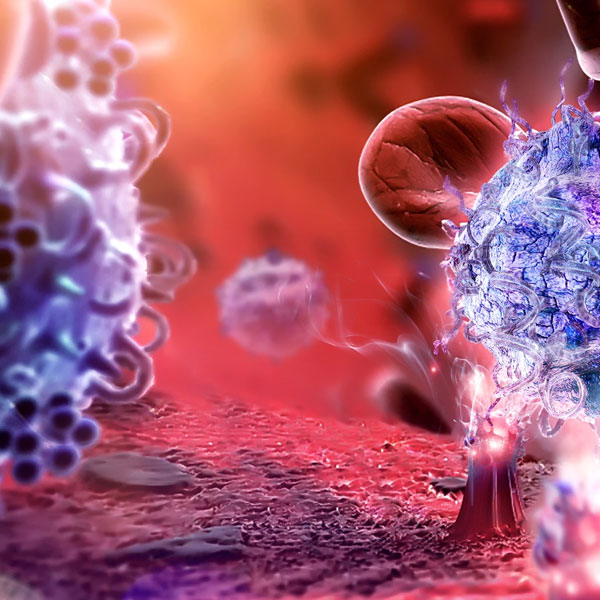
Immunology is the branch of biology and medicine that studies the immune system—the body's defense system against infections, diseases, and foreign substances.
🛡️ Key Concepts:
Immune System: A complex network of cells, tissues, and organs that protect the body from harmful invaders like bacteria, viruses, fungi, and parasites.
Immunologist: A scientist or doctor who studies or treats immune system disorders.
🧬 Two Main Types of Immunity:
Innate Immunity (nonspecific):
Your first line of defense
Includes physical barriers (skin, mucus), immune cells (e.g., neutrophils), and inflammation
Responds quickly but not specifically
Adaptive Immunity (specific):
Learns and remembers past invaders (via memory cells)
Involves T cells and B cells
Produces antibodies to neutralize pathogens
💉 Applications of Immunology:
Vaccines: Train the immune system to recognize and fight pathogens
Autoimmune diseases: When the immune system mistakenly attacks the body (e.g., lupus, rheumatoid arthritis)
Immunodeficiencies: Weak or missing immune responses (e.g., HIV/AIDS)
Allergies: Overreaction to harmless substances
Cancer immunotherapy: Using the immune system to fight cancer